Leh
Leh is the largest city and administrative center of the Leh district in the union territory of Ladakh. Situated at an altitude of about 3,500 meters (11,500 feet) in the Himalayas, it has long been a key stop on ancient trade routes connecting Tibet, Kashmir, and Central Asia. Today, Leh is known for its dramatic landscapes, Tibetan Buddhist heritage, and growing eco-tourism industry.
Key facts
Elevation: ~3,524 meters (11,562 feet)
Location: Indus River valley, northern India
Population: About 30,000 (as of 2011 Census)
Main religion: Tibetan Buddhism
Best travel season: May–September
Geography and climate
Leh lies in a high-altitude cold desert, surrounded by the Ladakh Range and the Zanskar Range. The region experiences extreme temperature variations—warm days in summer and subzero winters. Its sparse vegetation contrasts with snow-capped peaks and clear skies, making it a popular destination for trekkers and photographers.
Historically, Leh was the capital of the Kingdom of Ladakh, ruled by the Namgyal dynasty from the 15th century. The Leh Palace, built in the 17th century, reflects Tibetan architectural influence similar to the Potala Palace. The city remains a center of Tibetan Buddhism, home to nearby monasteries such as Hemis Monastery, Thiksey Monastery, and Spituk Monastery.
Tourism and economy
Tourism forms the backbone of Leh’s modern economy. Adventure travelers come for high-altitude trekking, mountain biking, and visits to Pangong Tso and Nubra Valley. The town’s market offers local handicrafts, thangkas, and traditional jewelry. Due to limited agricultural yield, Leh relies heavily on tourism and government services for income.
Accessibility
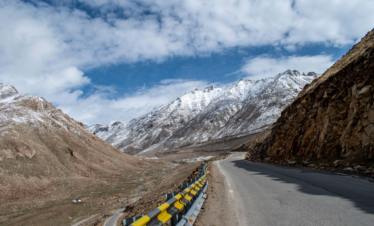
Leh is accessible by air via Kushok Bakula Rimpochee Airport and by road through two major highways—one from Srinagar via Zoji La and another from Manali via Taglang La. Roads are open mainly from late spring to early autumn due to heavy winter snow.
Bungee Jumping
Camel Safari
Go Karting
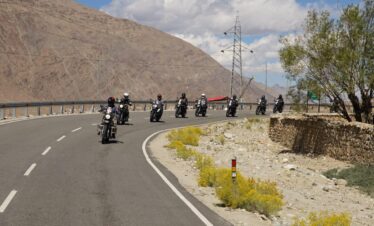
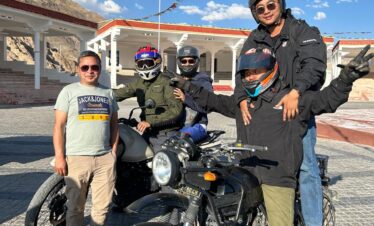
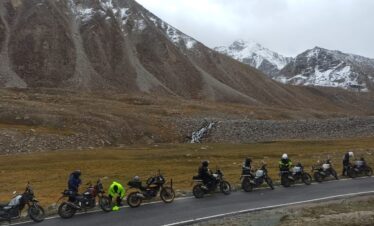
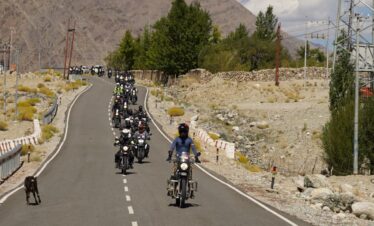
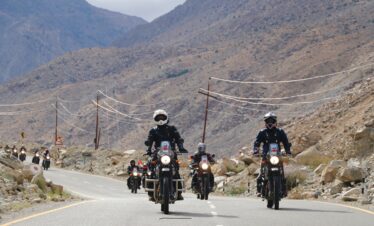
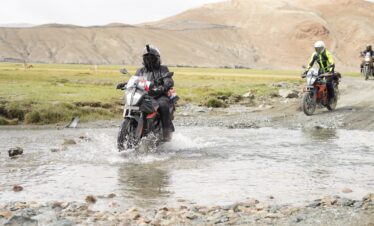
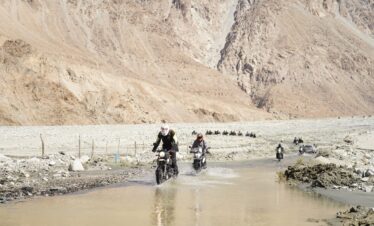
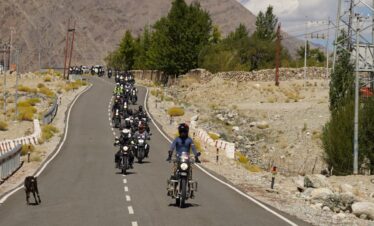
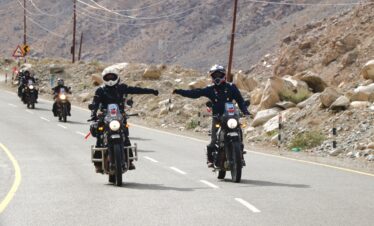
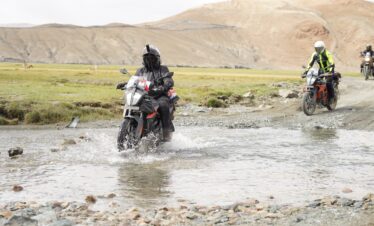
Motor Biking Expeditions
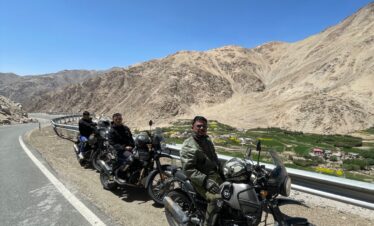
Motorbike expeditions in Himachal Pradesh are among the most thrilling adventure experiences in India. Surrounded by the majestic Himalayas, the region offers breathtaking mountain passes, winding roads, scenic valleys, and remote villages that create the perfect setting for an unforgettable riding journey.
Whether you are an experienced rider or an adventure enthusiast, a motorcycle expedition through Himachal combines adrenaline, natural beauty, and cultural exploration.
Quad Biking
River Rafting
SUV Expeditions
Zip Line