Shey Palace
Shey Palace
Shey Palace is a 17th-century royal residence and monastery complex located near Leh in the Union Territory of Ladakh, India. Built by King Deldan Namgyal as the summer retreat of the Namgyal dynasty, it later became a key center of royal and spiritual life before the capital moved to Leh. Today, the hilltop ruins remain one of Ladakh’s most evocative historical and cultural landmarks.
Key facts
Location: Shey village, 15 km south of Leh, Ladakh, India
Built: c. 1655 CE by King Deldan Namgyal
Notable feature: 12 m (39 ft) copper-gilded statue of Shakyamuni Buddha
Altitude: ~3,500 m (11,500 ft) above sea level
Visiting hours: Typically 6 AM–1 PM & 1:30 – 6 PM (seasonal variation)
Historical background
Once the summer capital of Ladakh, Shey Palace symbolized royal power and religious devotion. Deldan Namgyal commissioned the complex both as a residence and a tribute to his father, King Sengge Namgyal. After a Dogra invasion in 1842, the royal family relocated to Stok Palace, leaving Shey in partial ruin. The site nonetheless retains its historical aura through its walls, stupas, and murals that recall Ladakh’s golden age.
Architecture and art
The three-storied palace exemplifies Tibetan–Ladakhi architecture with whitewashed walls, narrow passages, and timbered interiors. Its attached monastery houses the towering Buddha statue made of copper and gilded in gold, one of the largest in Ladakh. Surrounding murals depict scenes from the Buddha’s life and the Arhats, blending artistry with devotion. The palace’s elevated terraces afford sweeping views of the Indus Valley and the distant Himalayas.
Festivals and culture
Shey remains a living spiritual site through festivals such as Shey Doo Lhoo (sowing season) and Shey Rupla (harvest season). These annual events feature masked dances, chants, and rituals led by resident monks, reaffirming the enduring ties between Ladakh’s agrarian calendar and its Buddhist heritage.
Visiting experience
Reaching Shey Palace involves a short climb from the Leh–Manali highway. Visitors are advised to wear layered clothing and good shoes due to altitude and uneven terrain. The best time to visit is May – September, when roads are clear and local festivals animate the valley. Photography is usually allowed outdoors, though restricted near sacred interiors.
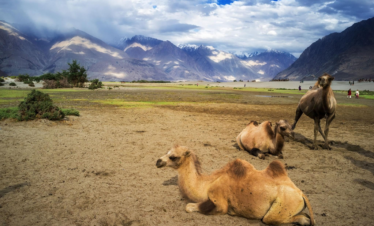
Camel Safari
Go Karting
Motor Biking Expeditions
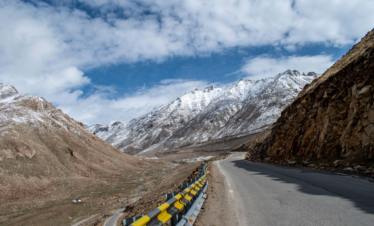
Motorbike expeditions in Himachal Pradesh are among the most thrilling adventure experiences in India. Surrounded by the majestic Himalayas, the region offers breathtaking mountain passes, winding roads, scenic valleys, and remote villages that create the perfect setting for an unforgettable riding journey.
Whether you are an experienced rider or an adventure enthusiast, a motorcycle expedition through Himachal combines adrenaline, natural beauty, and cultural exploration.
Quad Biking
River Rafting
SUV Expeditions
Zip Line